The ‘Super Sub’ Advantage: Streamlining Data Center Construction
By Stephen Abadie, Executive Vice President of Infrastructure, RNGD
As hyperscale data centers continue to proliferate across the Southeast, the construction industry is turning to unconventional strategies to meet the ambitious timelines and stringent specifications these complex facilities demand.
The general contractor teams overseeing multi-billion-dollar data center projects face a formidable coordination challenge. They might be tasked with managing 50 or more trade partners on site, each with their own schedules, workforce constraints, and potential failure points. Each separate subcontractor relationship adds to the project’s overall complexity and risk.
To avert the frustrating bottlenecks that can jeopardize project outcomes, GCs are relying on new project models that combine scopes, consolidate risk, and innovate at the field level to streamline the overall construction process
The Rise of the ‘Super Sub’ Model
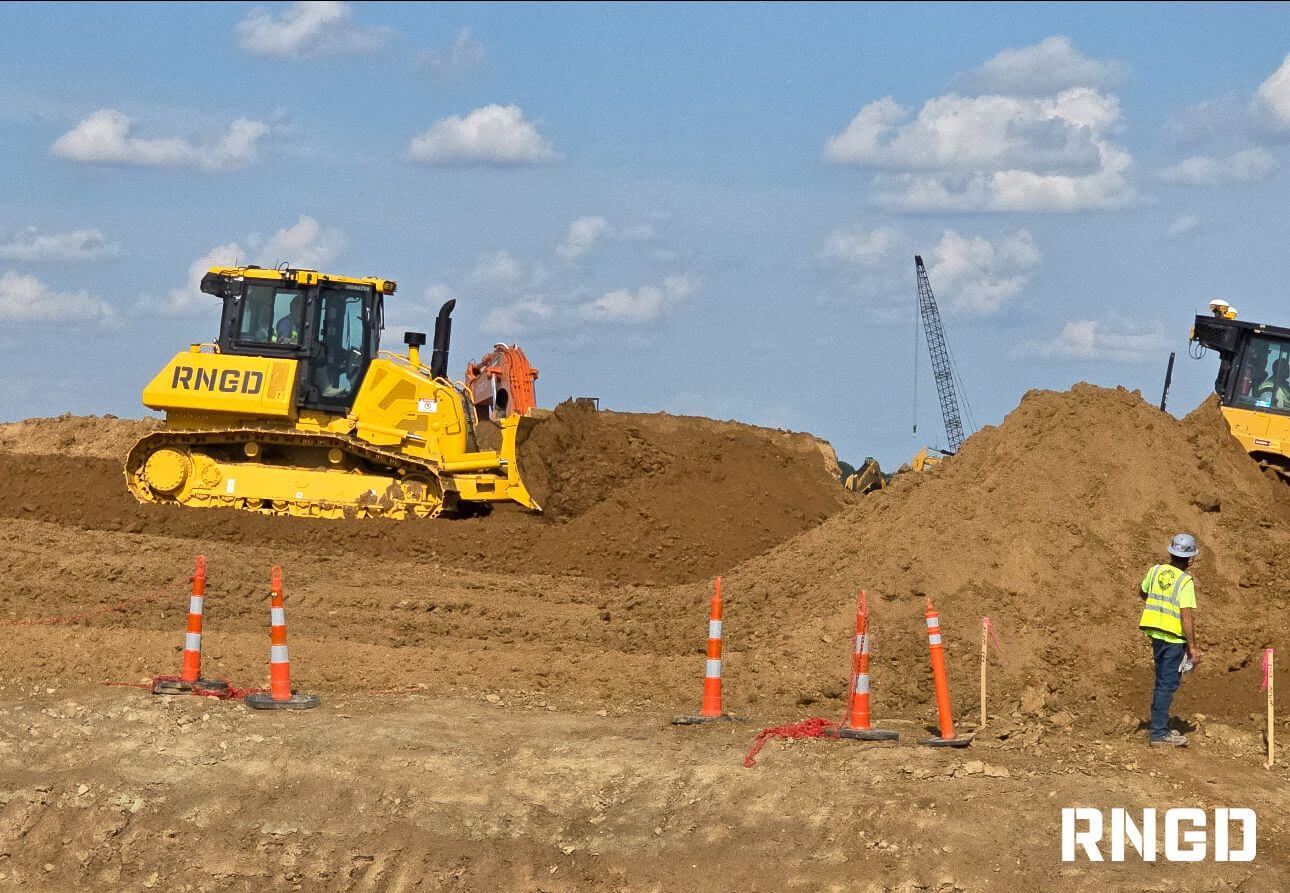
Increasingly, GCs are enlisting the expertise of multi-disciplinary subcontractor partners that can vertically integrate numerous scopes into a single package. This “super sub” model allows a GC to hand off a significant portion of the project’s complexity to a single, reliable entity.
A logical opportunity to apply this model to data center projects is within the expansive infrastructure scope.
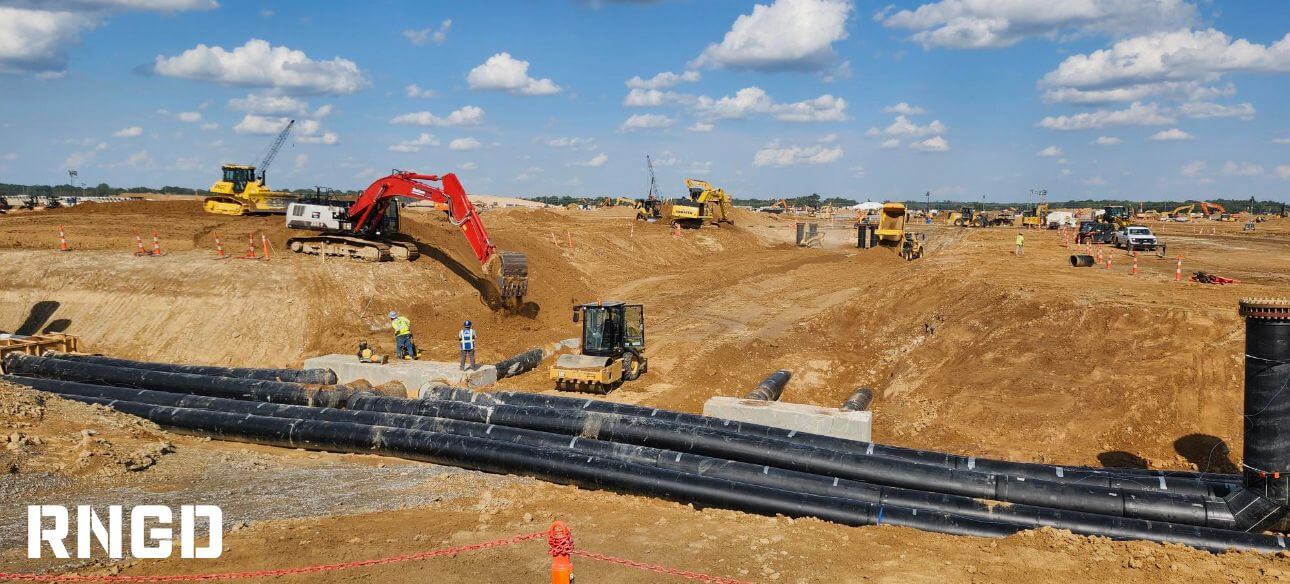
Though most data center buildings are simple, straightforward boxes, the visible structure conceals an “underground city” dense with power, fiber, chilled water, firewater, and storm drainage systems. In fact, the real complexity, and a significant share of the schedule risk, resides underground.
A single data center project might require close to nine miles of water lines and 10 miles of duct banks. Managing this intricate horizontal infrastructure requires a partner that can effectively manage, document, and keep the job on track.
Rather than hiring separate contractors for earthwork, soil stabilization, wet utilities, dry utilities, and structural steel, a GC can consolidate those scopes with a capable multidisciplinary partner that serves as a turnkey solution provider. Beyond simplifying the GC’s administrative burden, this model creates greater accountability and shores up the gaps where schedule slippage typically hides.
Engaging an infrastructure partner with deep regional expertise also provides GCs with peace of mind that onsite crews understand the complex geotechnical profiles and conditions of the local site.
In north Louisiana, for example, the native soil often lacks the bearing capacity to support heavy mission-critical structures without intervention. In response, the RNGD infrastructure team deploys deep chemical stabilization, amending the earth in massive lifts of up to 10 feet, to create a foundation capable of bearing the load. The central Mississippi region presents different challenges, expansive clay that swells and shrinks with groundwater fluctuations can wreak havoc on underground mechanical systems and compromise building foundations. Our team’s solution there may involve using lime admixtures to dry the soil and specialized piling systems to lock in stability.
Contractors from outside the region often overlook or underestimate these distinctions. A partner who understands local soil mechanics can de-risk a project before the first column is ever erected.
Innovation in the Field
The data center construction market rewards contractors willing to think differently about execution. This mindset serves as a strategic differentiator in a sector where conventional approaches can’t keep pace with escalating owner demands.
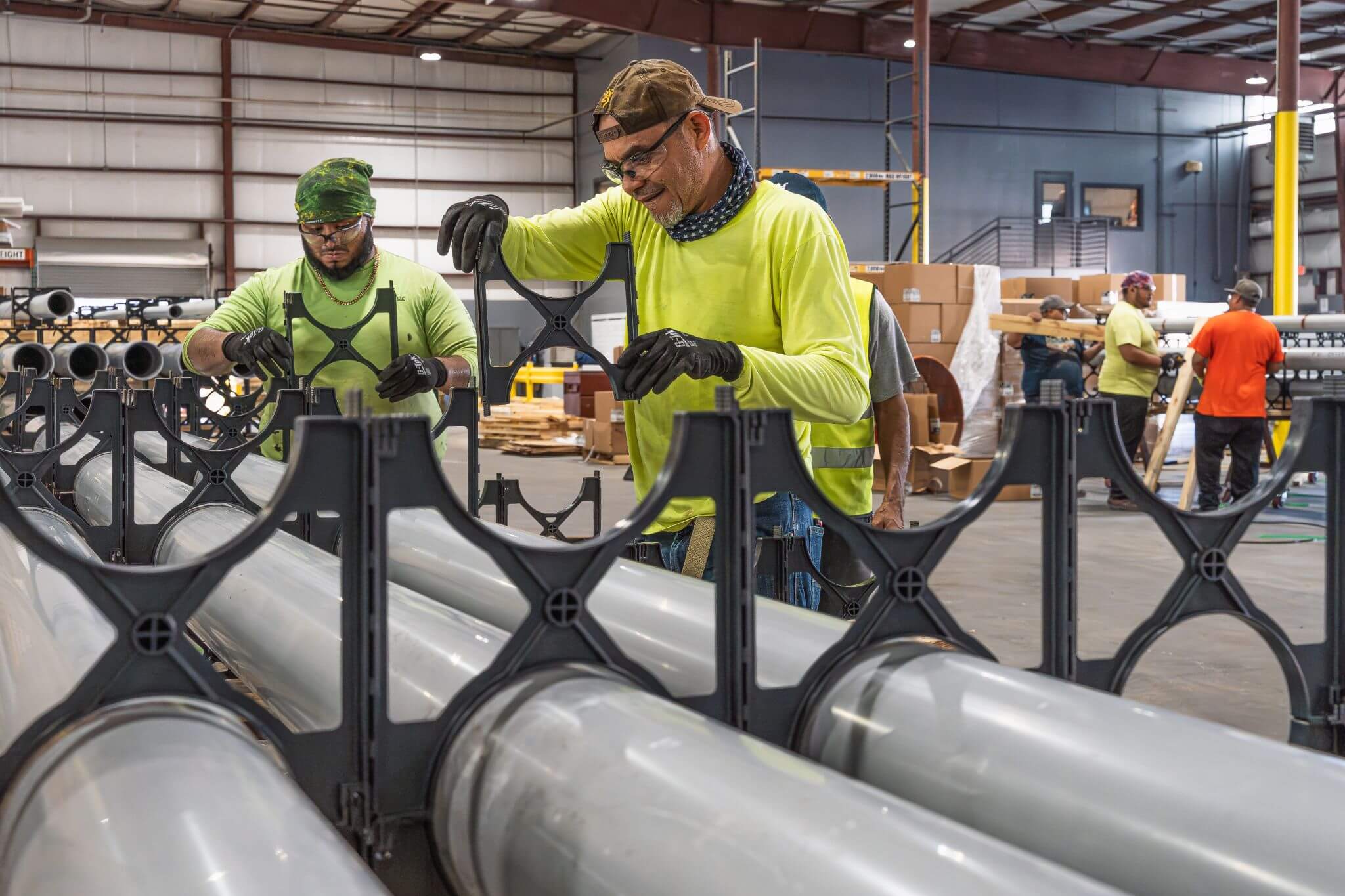
The RNGD infrastructure team is currently operationalizing this mindset at a large-scale data center project near Jackson County, Mississippi, an effort that also includes opening a new office in Vicksburg, creating local jobs and contributing to long-term economic growth in the region. Facing a tight deadline for installing miles of electrical duct banks, we bypassed the logistical bottleneck of shipping heavy concrete across state lines by establishing a prefabrication operation adjacent to the job site.
Essentially, our crews set up a mobile manufacturing plant in the field, a decision that is yielding numerous bottom-line benefits to the project. Beyond eliminating the exorbitant freight costs, it reduced ready-mix waste by about 7%. Because we weather-proofed the on-site casting yard with limestone, our production team can resume work immediately after rain events and ensure a steady supply of materials for the installation crews.
This innovative strategy is also significantly reducing on-site safety risks. Pre-assembling pipe bundles in a controlled environment minimizes material handling in the congested construction zone. And because it requires fewer deep excavations spread across the site and reduces the duration that trenches remain open, it lowers the job’s overall risk profil
In the race to build data center capacity, speed and reliability are the primary currencies. Owners and developers are not just looking for builders with the capabilities to oversee these massive commercial projects. Instead, they seek agile partners who can de-risk their most capital-intensive assets and help them establish market leadership.
The general contractors who thrive in this environment will be those who view every project as an opportunity to refine their approach, build relationships, and demonstrate their commitment to helping data center clients sustain a competitive advantage in the relentless race to scale AI infrastructure.
