Multifamily at an Inflection Point: Why Delivery Strategy Now Determines Outcomes

The multifamily housing market across the Gulf South is undergoing a structural recalibration. Climate volatility, rising insurance costs, labor constraints, and evolving regulatory and financing conditions are no longer secondary considerations—they are reshaping the fundamental economics of development. At the same time, demographic shifts, behavioral changes in how people live, and a cooling capital markets environment are influencing what gets built, how it is constructed, and how projects are ultimately underwritten and operated.
For developers planning to hold assets long term, these converging pressures are exposing the limitations of traditional multifamily delivery models. Approaches that prioritize lowest first cost, fragmented responsibility, and linear design-bid-build sequencing are increasingly misaligned with today’s risk profile. In a market defined by tighter margins, heightened uncertainty, and longer hold horizons, delivery strategy has become a primary determinant of project success rather than a downstream execution detail.
This shift is precisely where RNGD’s Renegade Delivery Method (RDM) provides a meaningful and durable advantage.
A Market Transformation Years in the Making
The current inflection point is the result of forces that have been building for more than a decade. Along the Gulf Coast, resilience and performance requirements have steadily intensified in response to increasingly destructive hurricanes, prolonged power outages, and rising insurance exposure. In Louisiana, early resilience incentives gained momentum in the mid-to-late 2010s and were initially concentrated in single-family construction. Over time, however, the underlying logic—reduced risk, improved durability, and lower long-term costs—expanded into multifamily housing through insurance underwriting standards, financing criteria, and sustainability benchmarks.
Rather than emerging through a single policy shift, this transformation has occurred incrementally. Insurers have recalibrated premiums based on perceived construction risk. Lenders have incorporated durability and lifecycle performance into underwriting. Public agencies and housing authorities have increasingly emphasized long-term operating stability rather than first cost alone. Collectively, these changes have raised baseline expectations for multifamily construction across the region.
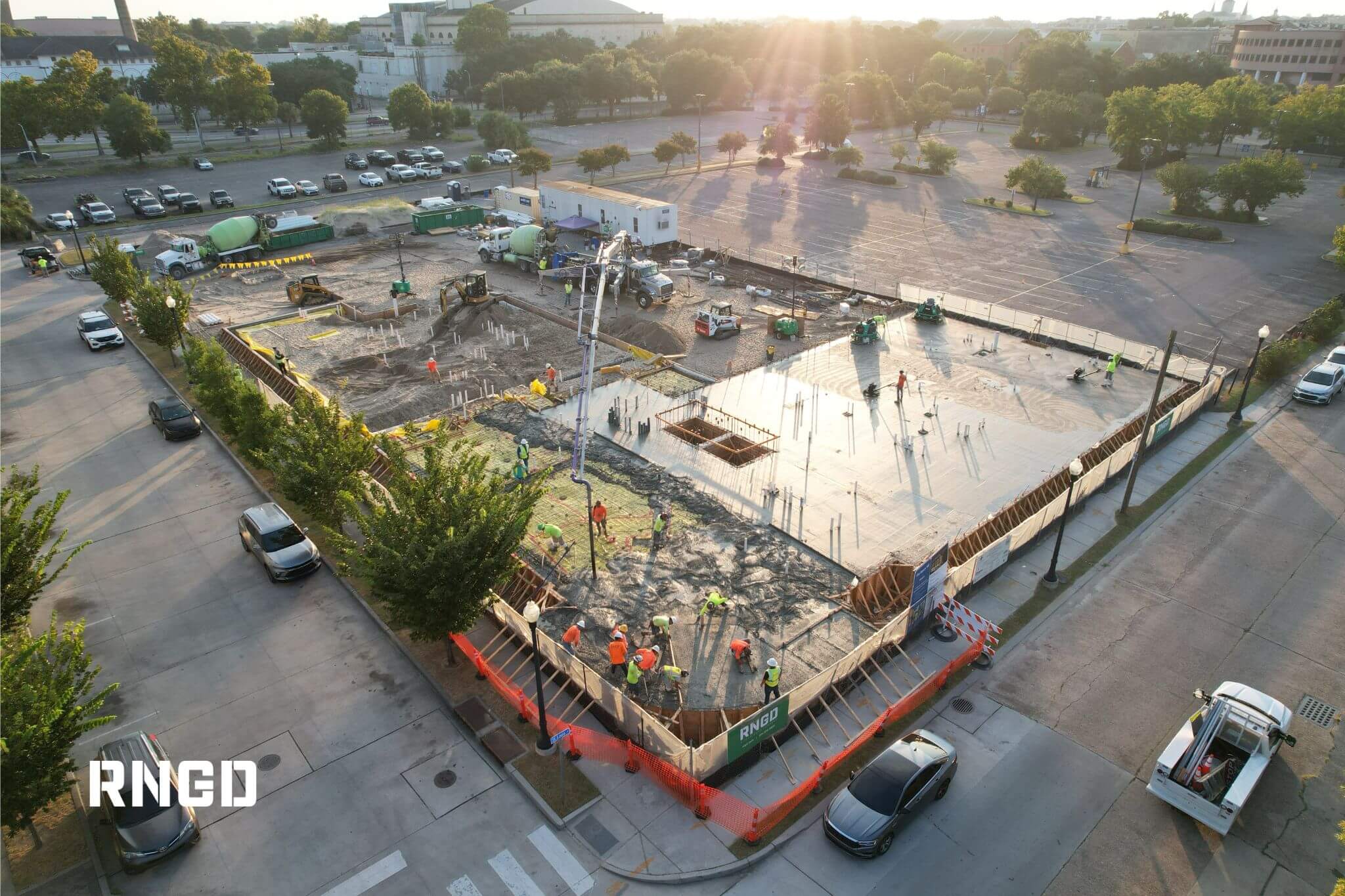
At the federal level, similar dynamics are evident. HUD’s 221(d)(4) program has long served as a cornerstone of multifamily finance, offering up to 40-year amortization for new construction and substantial rehabilitation. In the summer of 2025, HUD adjusted Mortgage Insurance Premium (MIP) rates downward as a counter-cyclical measure—aimed at improving project feasibility during a period of elevated interest rates, rising insurance costs, and slower transaction activity.
These MIP reductions materially improve debt service coverage and long-term cash flow, particularly for mixed-income and workforce housing developments. While federal financing tools cannot eliminate development risk, they reinforce a broader policy signal: stabilizing housing production requires both capital-market support and delivery strategies that manage execution, insurance exposure, and lifecycle performance.
“The past several years have marked a clear shift away from traditional sticks-and-bricks construction with entry-level systems,” says Christopher Dupre, Project Executive at RNGD. “We’re now designing for how buildings perform after the storm—how they handle extended power outages, rising energy demands, and the realities of today’s insurance and financing environment.”
A Behavioral Shift in How People Live
Overlaying these policy and resilience trends is a broader behavioral shift in how people live and move through housing. Across many markets, residents are increasingly moving away from the traditional expectation of a three-bedroom, two-bath single-family home and toward more efficient apartment living in urban and near-urban environments.
Households are becoming more mobile and more transient—changing jobs, cities, and life stages more frequently than prior generations. Flexibility, proximity to employment and services, and lower friction in relocating are increasingly valued over excess square footage and long-term permanence. For many renters, housing is no longer viewed as a fixed endpoint, but as adaptable infrastructure that supports movement and optionality.
As a result, demand has shifted toward smaller, more efficient unit types—studios and one-bedrooms supported by shared amenities and walkable access to transportation, employment centers, and daily services. This trend is less about downsizing and more about adaptability: housing designed to perform across changing needs, economic cycles, and life stages.
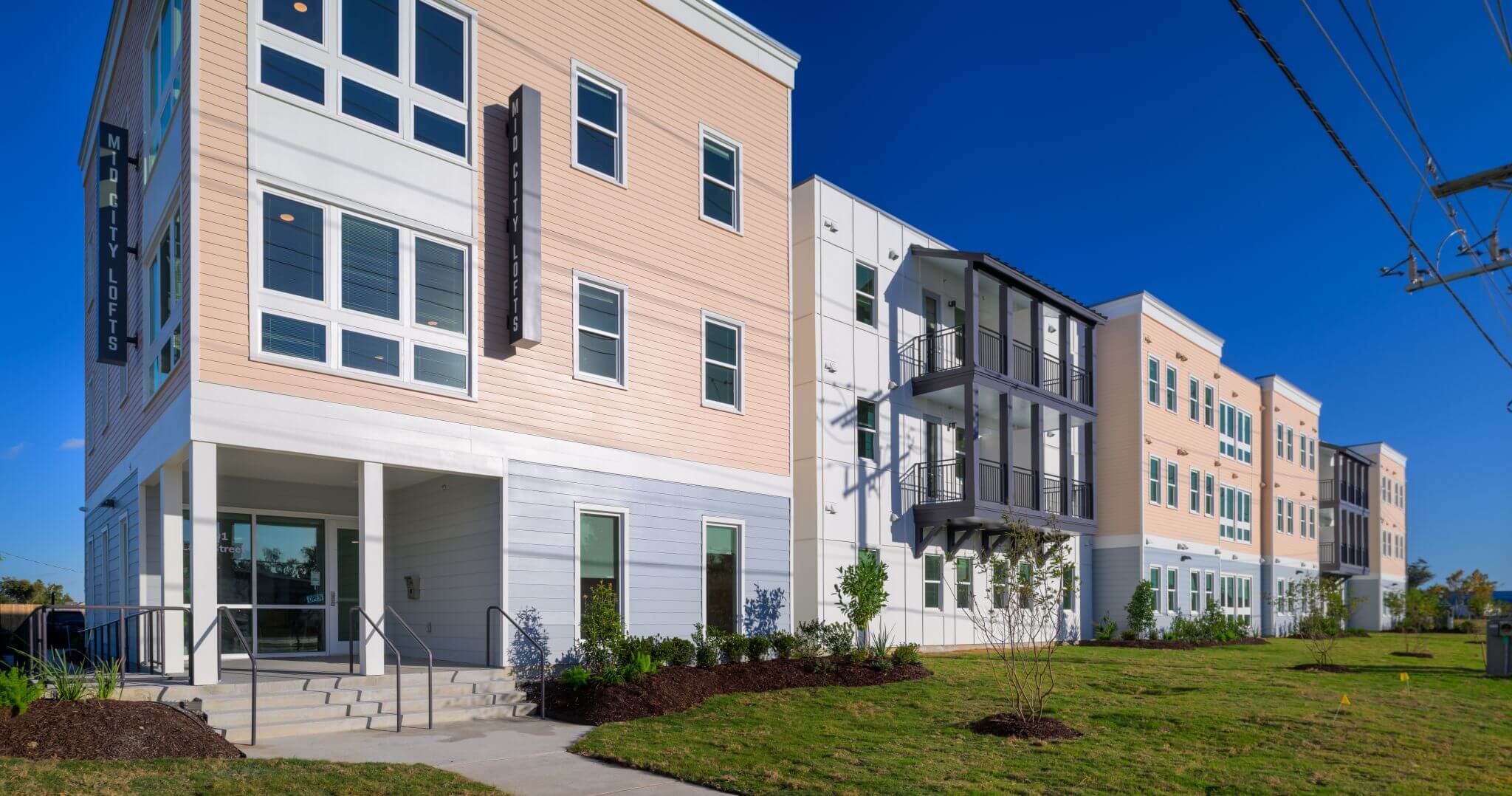
For developers, this shift places greater pressure on efficiency, unit mix precision, and operational performance—reinforcing the importance of delivery models that integrate market data, design, and constructability from the outset.
Economic Pressures Reshaping the Industry
Developers today face a convergence of challenges that make conventional delivery approaches increasingly fragile—particularly in a cooling or stagnant market.
Labor and Supply Chain Constraints
The construction industry continues to feel the long-term effects of COVID-era disruption. Global supply chain volatility, workforce dislocation, and accelerated retirements among skilled trades have permanently altered labor availability. Many experienced tradespeople who were nearing retirement chose not to return, and younger replacements have not fully closed the gap.
Recent immigration enforcement changes have further constrained skilled labor pools in commodity-driven trades. While material pricing has stabilized relative to pandemic peaks, costs have not meaningfully reverted to pre-2020 levels, and volatility remains embedded in procurement timelines and labor availability.
Interest Rates and Capital Markets
Although interest rates remain elevated compared to pre-2022 norms, recent cuts and market expectations for additional reductions in 2026 are reshaping underwriting assumptions across the multifamily sector. These expectations are widely viewed as a response to slowing rent growth, elevated vacancy in select markets, and muted transaction volume.
Importantly, lower rates alone do not resolve the structural challenges facing development today. Interest rate relief does not offset insurance exposure, eliminate construction risk, or compensate for schedule slippage. In a stagnant or slow-growth market, projects that rely on aggressive rent growth assumptions are more exposed to downside risk. By contrast, projects that emphasize execution certainty—controlling schedule, financing duration, and operating costs—are better positioned to perform through the cycle and benefit from improving capital markets as they materialize.
Insurance as a Structural Cost Driver
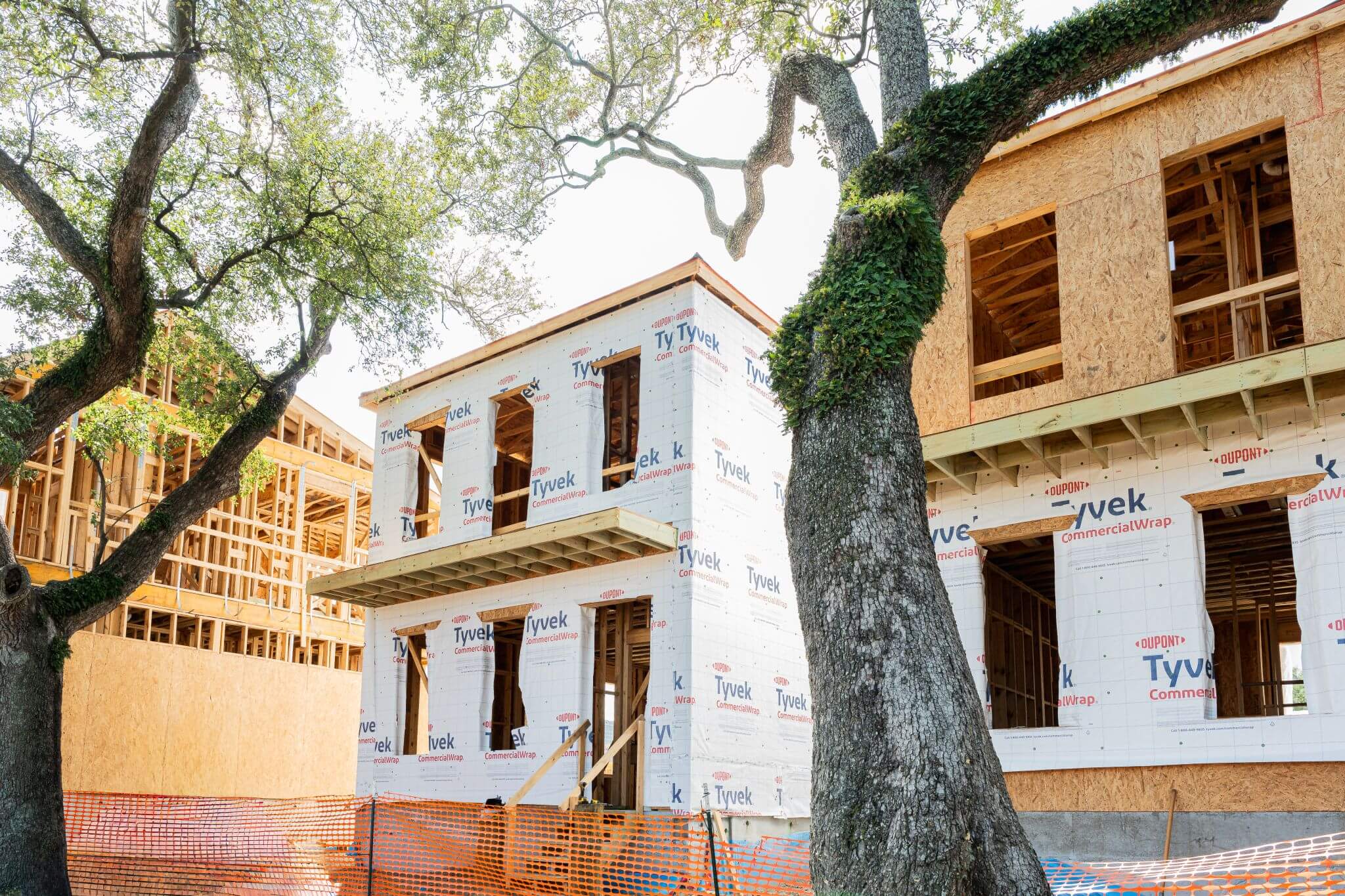
Insurance has become one of the most consequential line items for Gulf South multifamily. A typical 200-plus-unit property in southern Louisiana may now spend $750,000 to $800,000 annually on property and rental insurance—equating to $7.5 to $8 million over a ten-year hold period.
For long-term owners, this level of exposure can materially erode returns.
On projects where RNGD has modeled cold-formed steel framing and higher-performance assemblies against conventional wood framing, underwriting scenarios have demonstrated up to a 50% reduction in insurance exposure. Over a ten-year horizon, that differential can represent as much as $4 million in potential savings. While outcomes vary by insurer and project specifics, the direction is clear: construction methodology increasingly influences long-term operating risk.
The Value Engineering Trap
Traditional design-bid-build delivery often amplifies these pressures through repeated value-engineering cycles. The familiar sequence—design, price, exceed budget, then strip scope—frequently removes the very systems and assemblies that would have reduced lifecycle costs, insurance exposure, and long-term maintenance burdens.
By the time construction begins, many projects have been optimized for first cost rather than total cost of ownership. For developers with long-term hold strategies, this approach is increasingly misaligned with market realities.
How the Renegade Delivery Method Responds
RNGD’s Renegade Delivery Method was developed specifically to address these structural challenges. RDM vertically integrates real estate development, design, engineering, infrastructure, cold-formed steel manufacturing, prefabricated building components, and key self-perform scopes. Collectively, this represents control over as much as 70% of construction hard-cost value.
Rather than treating design, pricing, and construction as sequential steps, RDM brings manufacturing, engineering, market analysis, and construction expertise into preconstruction from day one. Weekly collaboration across disciplines replaces the traditional value-engineering loop with informed, real-time decision-making.
“When a client comes to us, we already understand market-driven unit mix, rentable-to-circulation ratios, and appropriate finish levels,” Christopher Dupre explains. “That allows us to align design, budget, and constructability from the outset instead of correcting course later.”
Demonstrated Value in Traditional Procurement Environments
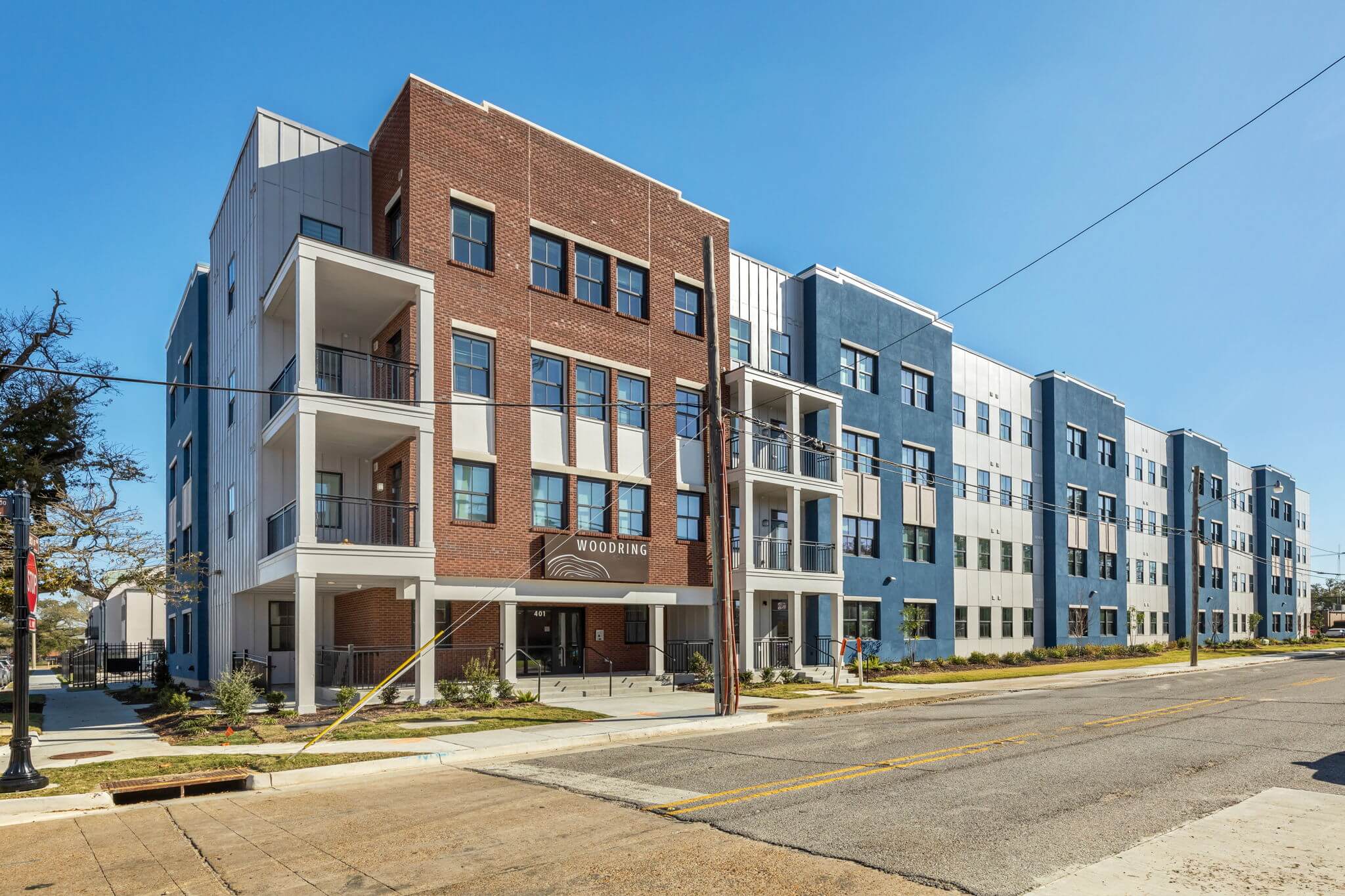
Even outside full RDM engagements, this philosophy has delivered results. On the Lafitte and Winn-Dixie Phase II HANO projects—both awarded through competitive bidding—RNGD combined aggressive pricing with post-award optimization.
After winning on low bid, the team identified maintenance-friendly system alternatives, market-appropriate substitutions, and risk-mitigating strategies that preserved performance while restoring budget alignment. RNGD also developed reporting templates now used by HANO for DBE and Section 3 compliance and supported community workforce participation beyond contractual requirements.
These outcomes demonstrate that RDM principles can add value even within conventional procurement frameworks.
The Strategic Case for Cold-Formed Steel
For long-term owners, cold-formed steel framing offers compelling advantages over traditional wood construction. Steel reduces fire risk, improves dimensional stability, and eliminates susceptibility to mold, rot, and termites—attributes that increasingly influence insurance underwriting and long-term maintenance costs.
RNGD’s in-house steel manufacturing capability allows the firm to source raw steel coils directly and fabricate framing components internally, eliminating multiple layers of markup typical in conventional supply chains. While steel often carries a higher first cost than wood, schedule compression, reduced general conditions, and lifecycle savings narrow—and in many cases close—the gap on a total project cost basis.
RNGD is currently in preconstruction on multiple Louisiana multifamily projects where developers are actively evaluating steel framing to support long-term hold strategies.
Schedule Compression as a Financial Lever
One of the most tangible benefits of RDM is schedule compression. Depending on project scope, RDM has demonstrated up to 40% reduction in the combined preconstruction-to-turnover timeline. Time savings stem from integrated design-manufacturing coordination, off-site prefabrication concurrent with site work, and reduced subcontractor stacking.
In an environment where interest rate relief is expected to be gradual rather than immediate, schedule compression remains one of the most reliable levers available to developers. Each month removed from the delivery timeline reduces financing exposure, mitigates interest rate volatility, and accelerates stabilization.
Positioning for the Next Cycle
Looking ahead to 2026, many market participants are planning for additional interest rate cuts as policymakers respond to slower growth and more balanced supply-demand conditions. At the same time, new apartment starts are declining sharply, setting the stage for reduced supply in subsequent years.
Developers who can deliver efficiently into this window—without relying on aggressive rent growth—will be best positioned to benefit from improving capital markets while managing near-term risk.
A Delivery Strategy Built for the Long Game
RNGD’s vertically integrated platform positions the firm to engage meaningfully across design, construction, insurance, financing, and resilience conversations. By consolidating traditionally fragmented capabilities under one roof, RDM aligns project economics with long-term performance rather than short-term cost minimization.
In a market defined by tighter margins, higher stakes, and longer investment horizons, delivery strategy is no longer optional—it is decisive.
And for developers building with durability, certainty, and lifecycle value in mind, the Renegade Delivery Method is designed to perform—through this cycle and the next.

![FOR IMMEDIATE RELEASE MEDIA CONTACT: Michael Fulkerson, Marketing Director | mfulkerson@rngd.com Louisiana Construction Leader Michael Pittman Comes Out of Retirement to Join RNGD [New Orleans, La.] — August 5, 2026 — RNGD, a high-growth diversified construction firm serving the Southeastern United States, today announced Michael Pittman has joined the company as Senior Advisor, Heavy Civil. Pittman will advise RNGD's leadership team on the continued expansion of its Heavy Civil platform, helping develop talent, strengthen operational excellence, and support the company's long-term growth strategy throughout the Southeast. A 1983 civil engineering graduate of Louisiana State University, Pittman is a third-generation builder who spent more than four decades leading heavy civil and infrastructure work across south Louisiana. He founded M.R. Pittman Group, LLC in 2003 and built it into one of Louisiana's premier heavy civil contractors. Over the course of his career, he oversaw approximately $1.5 billion in infrastructure and construction projects, including the GIWW West Closure Complex, the world's largest pump station of its kind, constructed for the U.S. Army Corps of Engineers as part of southeast Louisiana's hurricane and flood protection system. Pittman had stepped back from day-to-day operations in recent years before deciding to return to the industry full-time with RNGD. Mentorship was central to his decision to join. Having spent his entire career working alongside family, Pittman says this marks a new chapter. "The more time I spent with RNGD's leadership team, the clearer it became that this is an organization with tremendous potential," Pittman said. "I still have a lot to contribute to this industry, and one of the most rewarding parts of my career has always been helping people grow. RNGD is building something special, and I'm excited to share what I've learned while continuing to learn alongside this team." "Mike represents the very best of our industry," said Wes Palmisano, Founder and CEO of RNGD. "His experience, reputation, and commitment to developing people align perfectly with our culture and our vision for growth. We are honored that he chose RNGD for this next chapter, and we look forward to the impact he will have on our team, our clients, and the future of our Heavy Civil business." Pittman's appointment comes as RNGD continues to expand its Heavy Civil capabilities across the Southeastern United States, investing in people, expertise, and strategic partnerships to support complex infrastructure and resilience projects throughout the region.](https://rngd.com/wp-content/uploads/2026/08/Website-News-Headers.jpg)